

Tea Capsules in China and Hong Kong
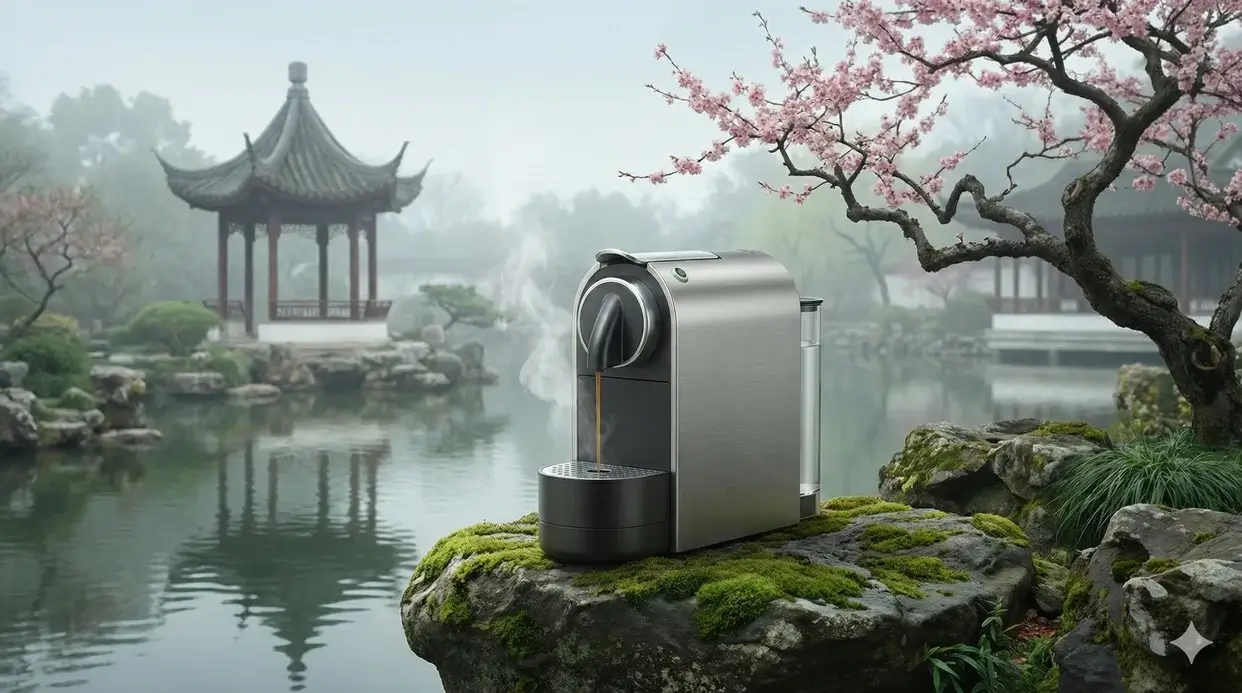
How Private Label Brands Can Ride the Next Wave of Single Serve Growth
The shift from traditional tea rituals to modern single serve formats is accelerating across Asia, and two markets stand out for their rapid transformation: China and Hong Kong. While coffee capsules opened the door to convenient, premium beverages at home and in the office, the fastest new momentum now belongs to tea. Consumers who once relied primarily on loose leaf tea or ready-to-drink bottles are discovering that capsules deliver speed, consistency and high-quality infusions that fit the rhythm of modern life.
For private label beverage and lifestyle brands, this creates a rare timing advantage. Demand for tea capsules in China and Hong Kong is rising in parallel with wider adoption of home capsule machines, growing interest in wellness-led blends and a growing preference for products that feel premium but remain easy to use. The region’s strong tea heritage makes the shift especially meaningful. Buyers want authentic Chinese teas, clear functional benefits and packaging that reflects quality, hygiene and sustainability.
Let us help you understand what is driving this demand, which consumer segments matter most, which tea styles and technical considerations shape successful products, and how to enter these markets without unnecessary risk, providing a clear roadmap for evaluating the tea capsule opportunity and deciding how to move from curiosity to a well-planned market entry.
Why tea capsules are gaining momentum in China and Hong Kong right now
The rise of tea capsules in China and Hong Kong reflects a combination of cultural familiarity and modern lifestyle shifts. These are markets where tea is deeply woven into daily life, yet consumers are increasingly looking for products that match the pace and expectations of contemporary urban living. Tea capsules fit neatly into this transition, because they deliver an experience that feels premium and rooted in tradition while also offering the convenience and consistency that busy professionals expect.
Urban and suburban lifestyles across both markets have changed dramatically. Long workdays, smaller kitchens, and a stronger focus on personal efficiency make single serve formats appealing. At the same time, household incomes continue to rise in major cities. As more consumers invest in capsule machines for coffee, they naturally explore options for tea as well, especially when these machines support multiple formats.
Another factor behind this momentum is the influence of the coffee capsule category itself. Over the last decade, coffee capsules have become a mainstream household item in Hong Kong and a growing trend in tier one cities in mainland China. Brands have spent years educating consumers on how capsule systems work and why quality and convenience matter. Tea is now benefiting from this foundation. Once consumers trust the machine and the format, expanding into tea becomes an easy next step.
Local brands and retailers are accelerating this shift by offering familiar Chinese tea styles adapted for capsule use. Consumers recognize names like jasmine, tieguanyin, pu’er and Chinese black tea. This creates a sense of authenticity within a modern format. Add to that a growing interest in wellness blends, such as digestion, relaxation and immunity infusions, and the result is a category that aligns with both heritage and current preferences.
For private label brands evaluating market entry, this is the moment to take notice. The demand for capsule based convenience is already established, and the premium tea heritage of the region gives tea capsules a stronger emotional and cultural foundation than in many Western markets. The category is still young enough to offer differentiation yet mature enough to avoid the risk of educating a market from scratch.
How big is the tea capsule opportunity in China and Hong Kong over the next decade
The global tea-capsule market is growing fast. According to a recent market report, the tea capsule market size was US$ 1.45 billion in 2024, and is forecast to grow to US$ 2.79 billion by 2029 (CAGR ~13.5 %). According to the report, Asia-Pacific is the largest region for tea capsules. For China specifically, a published market report implies that tea-capsule demand is being tracked alongside coffee. Another report for Hong Kong shows the sector is being tracked and forecast in that market.
China’s urban centers have seen rapid adoption of single serve machines across the last several years, especially in households that previously purchased only loose-leaf tea or instant beverages. As the user base expands, the total addressable market for capsules naturally grows along with it.
Hong Kong shows an even clearer trajectory. In recent coffee and tea international fairs and conferences, it was evident that capsule penetration is high, consumers are accustomed to paying more for premium convenience products, and retail shelves already present a mix of imported and local tea capsule brands. This means brand owners have early data to learn from. The presence of multiple tea styles and wellness blends on Hong Kong shelves suggests that consumer curiosity is strong and that retailers are willing to allocate space to tea capsule offerings. For a private label brand, Hong Kong acts as a lower-risk test market that reflects broader regional preferences.
The long-term opportunity is driven by premiumization. Tea has always carried a strong cultural and emotional value in China and Hong Kong, and capsules allow brands to package that value in a modern, accessible format. Consumers who might not buy a large quantity of premium loose-leaf tea can justify purchasing capsules that offer a single cup of a high-quality blend without the need for preparation skills or dedicated teaware. This positions tea capsules as an affordable luxury, which tends to perform well during cycles of rising income and lifestyle upgrades.
For private label brands, the size of the prize goes beyond direct consumer sales. Offices, clinics, co-working spaces, hotels and beauty salons are all replacing bulk tea bags with capsule machines. These accounts want clean preparation, consistent flavor and minimal waste during service hours. The result is a wide set of channels that extend the market far beyond retail and ecommerce.
Taken together, these signals point to a decade of sustained growth for tea capsules in both markets. The category is not saturated, yet it has enough momentum to support new entrants that differentiate through taste, origin, wellness benefits or sustainability. For brands that already participate in coffee capsules or premium beverages, this is a natural and strategically timed expansion path.
What Chinese and Hong Kong tea capsule consumers actually want
Understanding Asian consumer expectations is essential for building a successful tea capsule line. Consumers in major Chinese cities tend to be young professionals, families and wellness-oriented buyers who are balancing busy schedules with a desire for small, premium everyday experiences. Tea capsules appeal to them because they provide familiar flavors and aromas in a format that requires no special preparation. A single button delivers a consistent cup, which is especially attractive in households where people enjoy different types of tea and do not want to manage multiple loose-leaf varieties.
In Hong Kong, the profile is similar, but often even more quality driven. Many households already own capsule machines, and buyers are accustomed to trying new capsule brands and blends. Convenience remains important, but expectations for taste clarity, aroma and mouthfeel are high. Consumers want the experience to mirror the feeling of drinking a well-prepared cup of Chinese tea, not something generic or overly flavored. This puts pressure on brands to use high quality raw materials and to select teas that retain their character when brewed inside a capsule.
Cultural heritage continues to guide preferences. Tea drinkers across both markets value authenticity, origin, and recognizable styles. At the same time, there is strong curiosity for functional blends that support digestion, relaxation, energy or general wellbeing. Many buyers consider these products part of a broader wellness routine. Capsules offer a way to consume such blends in a clean and controlled format, without the extra steps often associated with herbal teas.
Aesthetic expectations also play a role. Packaging and capsule presentation matter, especially in Hong Kong, where tea capsules are frequently purchased as gifts or shared in office environments. Consumers notice color, structure, quality of the capsule body and even the sound of the machine as it brews. These elements collectively shape perceived value.
Meeting these expectations means respecting traditional tea culture while delivering a modern experience. The goal is to stay close to the flavors consumers already know and enjoy, while offering the ease, hygiene and consistency that make capsules appealing. Brands that strike this balance build trust quickly and gain repeat purchases in both retail and business channels.
Which tea formats and flavor profiles work best in capsules for these markets
Choosing the right tea styles for capsule development in China and Hong Kong requires understanding both cultural expectations and the technical limitations of the capsule format. Consumers in these markets have a long history with Chinese teas and a growing curiosity for functional blends, so the best performing capsule lines tend to combine familiarity with a sense of modern convenience. For private label brands, selecting the right mix of teas is one of the most important early decisions, because it shapes product identity, sourcing needs and shelf appeal.
The strongest starting point is traditional Chinese tea styles. These include jasmine, tieguanyin, longjing, pu’er and Chinese black teas such as Qimen or Dianhong. These teas already have strong recognition among consumers and translate well into a single serve format when processed and cut correctly. Their flavor clarity, floral or roasted notes and consistent profiles allow them to deliver a cup that feels comfortable to the average buyer who is transitioning from loose leaf to capsules.
Green tea and jasmine blends are especially approachable. Their delicate aroma and clean taste appeal to younger consumers and professionals looking for something light between work hours. Oolong teas such as tieguanyin have a loyal following in Hong Kong and southern China, making them valuable anchors for a capsule assortment. Black tea capsules remain popular as well, particularly among consumers who want a stronger infusion that pairs well with food or serves as a quick morning beverage.
Functional and herbal blends also perform well in capsule form because they meet growing interest in wellbeing and daily balance. Ingredients associated with relaxation, digestion, energy or immunity often appeal to buyers who want small wellness rituals without complicated preparation. Capsules make this easy, because each cup is portioned, hygienic and ready in seconds, which fits naturally into office schedules or morning routines.
Matcha offers an interesting opportunity but requires careful development. Some consumers prefer its bold flavor and smooth texture, but matcha is sensitive to oxidation and requires specific grind, particle size and sealing conditions to deliver a satisfying cup. It can succeed in capsules if the quality is protected and the consumer understands what to expect.
When building a private label portfolio, a balanced mix works best. A recommended structure includes a core range of everyday Chinese teas that feel familiar to local consumers, a small wellness line for functional benefits and one or two seasonal or limited-edition options inspired by festivals or cultural moments. This approach gives retailers and consumers clear variety without overwhelming them with too many SKUs, while also signaling both tradition and innovation.
How to choose the right capsule platform and machine ecosystem for tea in China and Hong Kong
Selecting the correct capsule ecosystem is one of the most strategic choices a private label brand will make when entering the tea capsule category. The platform determines manufacturing requirements, compatibility expectations and how easily consumers can try the product at home or in the office. In China and Hong Kong, the decision is shaped by machine availability, consumer familiarity and the technical needs of tea itself.
Most of the growth in Hong Kong and tier one Chinese cities centers around machines compatible with Nespresso Original format. This ecosystem is well established, supported by a wide range of imported and local products and familiar to consumers who already use capsules for coffee. Because tea capsules do not require milk systems or pressure profiles as complex as espresso, using this widely adopted platform keeps the entry barrier low for both brands and customers.
Hong Kong in particular sees strong use of Nespresso style machines in homes, offices and small hospitality settings. This has encouraged several tea capsule brands to design products specifically for that system. Mainland China shows a more mixed picture. Alongside international formats, the country has its own fast-growing category of independent multi-capsule machines, often produced by local appliance companies. These devices accommodate several capsule shapes and give consumers flexibility to switch between coffee and tea. For brands, this means that choosing a globally recognized format like Nespresso compatibility still provides the most straightforward route, but awareness of local machine trends remains important.
Technical considerations play a large role as well. Tea infuses differently from coffee, and the capsule must allow enough water flow and contact time to extract flavor without bitterness or dilution. Aluminum capsules offer consistent performance because they maintain structural stability, protect aroma and enable precise puncture points during brewing. This matters especially for delicate teas such as jasmine or oolong, where small changes in infusion can alter the flavor noticeably.
Filter design is also critical. Tea requires a slightly different internal structure than ground coffee. The cut size must be controlled, and the filter must prevent small particles from escaping while still allowing smooth flow. The right combination of capsule geometry, filter material and sealing quality ensures a pleasant cup across a wide range of machines.
Your goal should be to align product development with the machines that consumers already own and trust. Choosing a widely adopted ecosystem reduces friction, improves compatibility and accelerates trial. When supported by high-quality materials and carefully designed capsule structure, the result is a product that performs consistently and builds confidence from the first cup.
Which routes to market matter most for tea capsules in China and Hong Kong?
Entering the tea capsule category successfully depends on choosing the right channels and understanding how consumers in each market discover and purchase new beverage products. China and Hong Kong differ in scale and structure, but both offer strong opportunities for private label brands that plan their route to market carefully and align with the way people shop today.
Hong Kong remains a gateway market with a well-developed retail landscape and strong acceptance of premium imported goods. Supermarkets, specialty grocers, department stores and lifestyle retailers often carry capsule machines and related products, which creates natural shelf space for tea capsules. Consumers in Hong Kong are accustomed to browsing for new beverages in physical stores, and are open to trying small assortments or seasonal releases. This makes retail an effective environment for building early recognition and gathering feedback on flavor preferences and pricing.
Online channels are equally important. Brand owned ecommerce sites and large online retailers such as HKTVmall, for example, provide convenient ways for consumers to reorder products and explore new flavors. Because home delivery is reliable and widely used, online sales can scale quickly once buyers understand the product. Digital channels also allow brands to run limited time bundles, introduce new teas with minimal risk and test demand before expanding distribution.
Mainland China presents a different set of dynamics because ecommerce dominates consumer discovery. Platforms such as Tmall, JD and Douyin stores shape how new beverage products reach buyers. These channels favor brands that invest in high-quality product pages, strong visual identity and clear messaging around flavor, origin and usage. Influencer content, short video demonstrations and live commerce have an outsized effect on trial rates, especially for new or unfamiliar products like tea capsules.
Cross border ecommerce also plays a significant role. Many consumers in China purchase imported capsules through bonded warehouse channels, which makes it possible for brands to test demand without full local registration. This approach is especially useful for private label brands launching from Hong Kong or overseas, as it reduces regulatory complexity during the early stages of market entry.
Beyond consumer channels, business accounts contribute meaningfully to the category. Offices, co-working spaces, clinics, gyms, beauty salons and boutique hospitality venues increasingly adopt capsule machines to offer a clean, consistent beverage experience without staff training. Tea capsules fit these environments naturally because they offer hygiene, speed and variety, and many employees prefer tea during the day.
For coffee brands, the best results often come from combining retail presence, strong ecommerce foundations and early partnerships with selected business accounts. This balanced mix creates multiple touchpoints for trial, supports steady reorders and builds a reputation that feels both modern and aligned with everyday consumption habits in China and Hong Kong.
How to position and price a tea capsule line for China and Hong Kong
Positioning a tea capsule line for these markets requires balancing cultural expectations, perceived quality and the convenience that defines the capsule format. As we explained earlier, China and Hong Kong each have a long tradition of tea consumption, so the messaging must respect familiarity while introducing a modern experience that feels premium and practical. Pricing must also consider local reference points, including loose-leaf tea, ready-to-drink beverages and existing capsule offerings.
The most effective positioning strategies begin with authenticity. Consumers in both markets want teas that feel true to their origins. Capsules should highlight provenance, processing style and the story behind the blend. This reassures buyers that they are not trading cultural value for convenience, but instead gaining a clean, controlled way to enjoy teas they already trust.
Another strong angle is wellbeing. Many consumers incorporate tea into their daily routines for mental clarity, digestion, relaxation or general balance. Functional capsules can meet this demand if they are formulated responsibly and described using language that focuses on comfort and lifestyle rather than medical claims. This approach positions the product as a natural extension of existing habits rather than a novelty.
Gifting and hospitality also matter. Attractive packaging, a refined color palette and a premium tactile experience can influence both at home consumption and corporate gifting. Tea capsules are often shared in offices or brought as small gifts, so the outer presentation should reinforce quality from the first glance.
When it comes to pricing, consumers tend to compare capsules with two main categories: premium loose-leaf tea and ready to drink tea. Capsules often sit in the middle, offering a premium feel at a per cup price that is still accessible. Hong Kong shelves already feature tea capsules at prices that position them as affordable luxuries rather than budget items. In China, pricing strategies can vary more, especially in ecommerce channels where promotions, bundles and limited-edition releases are common.
A practical pricing structure usually includes a clear core range at a standard price, with wellness or specialty blends positioned slightly higher to reflect ingredients and formulation. Seasonal or collaborative editions can command a premium if the storytelling is compelling. This tiered approach helps buyers understand the differences within the line and supports healthy margins for private label brands.
What operational and regulatory issues brands should prepare for when launching tea capsules
Launching a tea capsule line for these markets requires careful planning behind the scenes. The brand’s operational and regulatory foundation determines whether the product can reach shelves reliably and maintain quality over time. China and Hong Kong each have their own requirements, but the core principles remain the same: consistent sourcing, robust manufacturing and clear compliance.
The first operational priority is securing dependable tea supply. Traditional Chinese teas come from specific regions, and consistency across batches is essential for capsule products, where even small variations can alter flavor. Working with experienced tea suppliers ensures reliable quality and reduces the risk of disruptions during seasonal or weather driven fluctuations. Private label brands must also decide whether to source whole teas and coordinate particle size adjustment themselves, or to work with partners who prepare capsule ready cuts.
Manufacturing is the second major consideration. Tea behaves differently from coffee during filling and extraction, so the capsule line must be equipped to handle fine cuts, lightweight material and infusion oriented internal structures. Precision filling, sealing and oxygen control are critical, because many popular teas are sensitive to oxidation. Brands must confirm that their manufacturing partner maintains strong hygiene standards, conducts compatibility testing and follows established quality control procedures.
On the regulatory side, Hong Kong offers a straightforward framework that focuses on food safety, ingredient labeling and compliance with general standards for packaged beverages. Claims around health or wellness must be phrased carefully to avoid implying medical benefits. Packaging should list ingredients clearly, including any herbal components, and follow local language requirements.
Mainland China requires more preparation. Food products must meet national food safety regulations, and depending on the ingredients used, some blends may need additional documentation. Herbal and functional teas are subject to stricter review if they include components considered novel or traditionally associated with therapeutic use. Packaging must also follow specific rules for labeling, shelf-life indicators and import documentation. Brands that enter through cross-border ecommerce can begin with a lighter regulatory burden, but full registration becomes necessary if the product moves into offline retail or domestic warehousing.
Sustainability-related packaging rules are also gaining attention. While requirements differ by region, many retailers and distributors expect basic clarity about recyclability and disposal. Using clean, easily recyclable materials such as aluminum supports compliance and simplifies communication.
Preparing yourselves in advance and learning all the ropes early avoids delays during market entry.
How to address sustainability concerns around tea capsules in China and Hong Kong
Sustainability is becoming a more visible part of consumer decision making in both markets, although the priorities differ between China and Hong Kong. Hong Kong has selective recycling and waste reduction programs, but large-scale industrial composting is limited, which affects real-world disposal outcomes. Mainland China has made progress in recycling and waste classification policies, yet the availability of dedicated facilities varies by region.
Still, tea has always been associated with purity, balance and natural ingredients, so buyers want reassurance that the convenience of capsules does not come at the expense of environmental responsibility. For private label brands, addressing these expectations early strengthens trust and positions the product as a modern yet responsible choice.
The first step is choosing materials that balance performance and environmental impact. Aluminum remains one of the most effective capsule materials because it offers strong protection against oxygen and moisture and can be recycled repeatedly without losing quality. This matters for delicate teas that require airtight barriers to maintain aroma. NovoCapsule’s aluminum capsules also offer a wider sealing area, further lowering the chance that any oxygen manages to penetrate the capsules.
Transparent communication helps bridge these gaps. Brands can guide consumers by explaining how to dispose of capsules properly, how to separate components if needed and what local recycling options exist. This kind of clarity is particularly appreciated in Hong Kong, where buyers pay close attention to product responsibility and packaging details. Visual cues on boxes, simple icons and clear language reduce confusion and improve compliance.
Another effective strategy is designing a sustainability roadmap tailored to each market. This can include commitments to recycled aluminum content, reduced secondary packaging, lighter materials or partnerships with established collection programs. For business accounts such as offices or hospitality venues, brands can offer centralized capsule recycling solutions that make it easier to manage used capsules at scale.
Addressing sustainability is not only good practice but also a valuable point of differentiation. In categories where consumers compare multiple brands on convenience and taste, sustainability signals often influence final purchase decisions.
A strong manufacturing partner accelerates entry into the China and Hong Kong Markets
Launching a tea capsule line is not only a matter of choosing the right teas and the right capsule format. The biggest differentiator for private label brands is often the quality and reliability of their manufacturing partner. These markets expect consistent performance, clean extraction, precise aroma protection and capsules that work flawlessly in the machines consumers already own. Entering the China and Hong Kong markets without a dependable technical foundation exposes brands to unnecessary risk, especially in categories where repeat purchases depend heavily on trust.
The first advantage of working with an experienced capsule manufacturer such as NovoCapsule is the ability to shorten development time. Developing tea capsules requires careful work on particle size, cut uniformity, filling accuracy and filtration design. Mistakes here lead to weak extractions or clogged machines, both of which damage consumer confidence early on.
A manufacturer with proven expertise can provide ready tested capsule structures, optimized for tea, that reduce the trial-and-error phase significantly. This allows brands to move quickly from concept to pilot batches without compromising quality. Our capsules are the best match for tea, since they are doubly sealed with a silicone ring for extra freshness of the tea leaves for a longer time. When used with Nespresso machines, the tea is poured smoothly, without any leaks.
Quality control is equally important. Without proper sealing and barrier protection, flavor and aroma fade rapidly in humid climates. A specialized manufacturer offers consistent sealing technology to ensure that every capsule protects the tea inside. This level of precision is difficult to achieve with improvised or inexperienced filling partners and is essential for maintaining product integrity during shipping, storage and retail display. Luckily, we at NovoCapsule offer Swiss precision levels you can trust.
Hong Kong is an ideal place to run market tests, because feedback is fast and the consumer base is receptive. Once a brand finds a winning blend, it must be able to scale production quickly without changing capsule geometry or affecting extraction performance. As experienced manufacturers, we can increase output while maintaining identical specifications across batches, ensuring that early success translates into long-term reliability.
Partnering with a proven capsule manufacturer is not a cost but an investment in market confidence. Combined with thoughtful product design and clear positioning, this partnership forms the operational backbone of a successful tea capsule launch in two of the most promising markets in Asia.
Final Thoughts
The rise of tea capsules in China and Hong Kong reflects a deeper shift in how consumers balance tradition with modern living. These are markets with a long and meaningful relationship to tea, yet they are also among the fastest adopters of technologies that deliver convenience, hygiene and premium experiences at home and in the workplace. This combination creates a distinctive opportunity for private label brands interested in expanding into single serve tea without the heavy burden of market education.
The path to success begins with understanding local expectations. Consumers in both markets want familiar teas, high aromatic clarity and a clean brewing experience. They also expect wellness-oriented blends, refined packaging and a level of performance that matches their existing coffee capsule habits. Quality and reliability form the backbone of sustained growth.
As demand for tea capsules continues to rise, the brands that will stand out are those that respect local tea culture while embracing modern expectations. With careful product development, thoughtful pricing and strong operational foundations, private label brands can position themselves at the center of this evolving category. China and Hong Kong are not simply new markets for capsules; they are markets where tea can be reimagined in a way that feels both deeply familiar and distinctly contemporary.
Frequently Asked Questions:
Can I use the same production line for coffee and tea capsules when serving China and Hong Kong?
Yes, many industrial lines can switch between coffee and tea, but tea requires stricter cleaning protocols and dedicated filters for fine cuts to avoid cross-aroma contamination.
Do tea capsules require nitrogen flushing the same way coffee capsules do?
Tea does not release CO₂ like roasted coffee, but it is still sensitive to oxygen. Green tea, jasmine and herbal blends benefit from nitrogen or modified atmosphere sealing to preserve freshness.
Is shelf life shorter for tea capsules than for loose leaf tea?
Not necessarily. With proper barrier materials and tight sealing, tea capsules can match or exceed the stability of standard foil packed loose leaf tea, especially in humid climates.
Are aluminum tea capsules accepted by environmentally conscious buyers?
Yes. Aluminum is widely recycled, maintains aroma quality and is often viewed as a responsible choice when paired with clear disposal instructions.
Do consumers expect a separate tea capsule machine?
In most cases no. Tea capsules are typically designed for Nespresso systems already common in Hong Kong and major Chinese cities, which lowers the barrier to trial.
Are functional or herbal tea capsules regulated differently from standard tea capsules?
They remain food products, but strong therapeutic claims may trigger additional scrutiny. It is safer to use general wellbeing language unless supported by regulatory documentation.
Is it realistic to launch tea capsules in China without a local office?
Yes. Many brands begin with cross border ecommerce or Hong Kong based distribution, then expand into domestic warehousing once demand grows.
Will tea capsules cannibalize existing loose-leaf or ready-to-drink tea products?
Most brands see tea capsules as an additional usage occasion rather than a replacement. They are consumed in workplaces, small kitchens and quick-prep moments where loose leaf is less convenient.
How many SKUs should a private label tea capsule line start with?
Three to six is typical. This usually includes a few familiar Chinese teas, one wellness infusion and one exploratory flavor for differentiation.
Do I need a dedicated tea brand if I already sell coffee capsules?
Not always. Some brands keep one umbrella identity and separate coffee and tea lines clearly, while others build a standalone tea identity when deeper storytelling is needed.

